
Support
FREEAll partial dentures have two things in common:
- They must be supported by oral structures and
- They must be reasonable dislodging forces.
كل الأطقم الجزئية تشترك بشيئين:
- يجب أن تكون مدعومة من تراكيب الفم، و
- يجب أن تكون مثبّتة ضد قوى الإزاحة المعقولة.
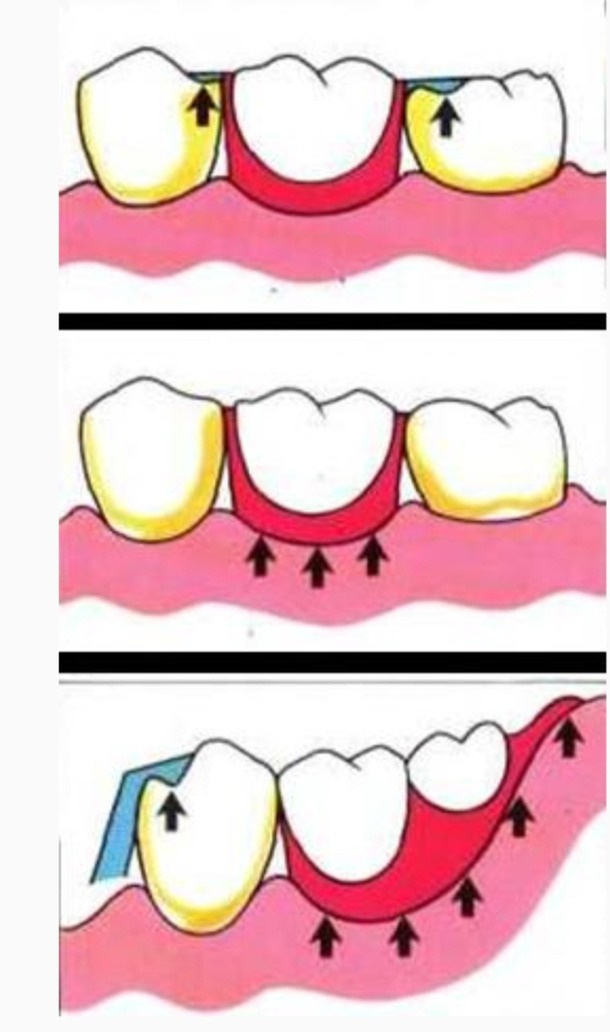
Support can be classified according to Cradock:
- Dental support
- Mucosal support
- Mixed: dental and mucosal/ mucosal and dental support
- دعم سنّي.
- دعم مخاطي.
- مختلط: سنّي ومخاطي / مخاطي وسنّي.
Designing Support
FREEa- Tooth support: When abutment teeth available at both ends of the denture base (). It most commonly obtained by .
b- Mucosa support: ( covering residual alveolar bone). It allows varying degree of displacement
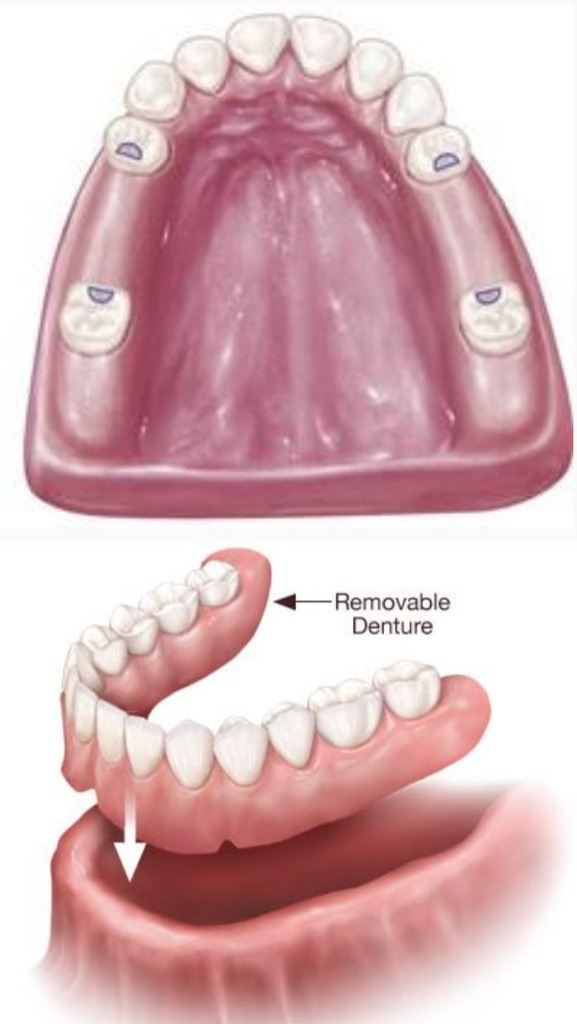
ب- الدعم المخاطي: (الغشاء المخاطي والسمحاق mucoperiosteum الذي يغطي عظم الحافة السنخية المتبقية). ويسمح بدرجات متفاوتة من الإزاحة.
The amount of displacement (tissue ward movement) will depend on :
- The amount of pressure applied.
- The nature of the mucosa (thickness).
- Area covered by the denture ().
- Fit of the denture base.
- Type of impression (, , or ).
- مقدار الضغط المُسلَّط.
- طبيعة الغشاء المخاطي (سُمكه).
- المساحة التي يغطيها الطقم (كلما كانت المساحة أوسع قلّت الإزاحة).
- انطباق قاعدة الطقم.
- نوع الطبعة (تشريحية، وظيفية، أو ضغط انتقائي).
Designing Support
FREEC-Tooth-mucosa support: (Bilateral ). Posterior tissue support and anterior tooth support.
In the three components are necessary, support provided by rests, the connectors (stabilizing components) and the retainers.
An is the only needed to record the anatomic form of the teeth and residual ridge in tooth borne RPD.
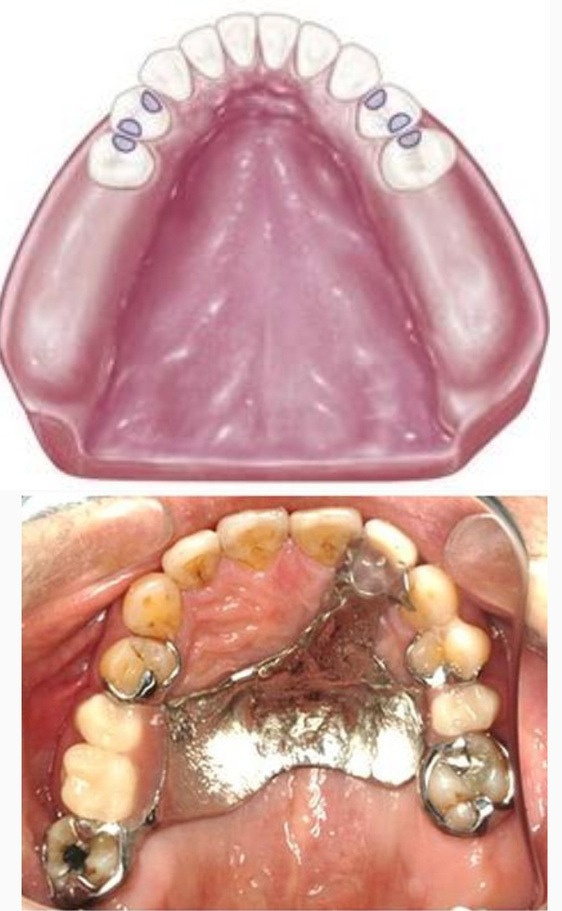
في الطقم الجزئي من الصنف الثالث (Class III) هناك ثلاثة مكوّنات ضرورية: الدعم الذي توفره المساند، والموصلات (مكوّنات التثبيت والاستقرار)، والضوابط.
الطبعة التشريحية هي الوحيدة المطلوبة لتسجيل الشكل التشريحي للأسنان والحافة السنخية في الطقم المدعوم بالأسنان.
Designing Support
FREEThe distal extensions PD does not have the advantage of total tooth supported because one or more bases are extensions covering the residual ridge distal to the last abutment. but in this situation, the support comes from rather than from teeth alone.
This is a , and the prostheses must be fabricated so that the resilient support provided by the edentulous ridge is coordinated with the more stable support offered by the abutment teeth.
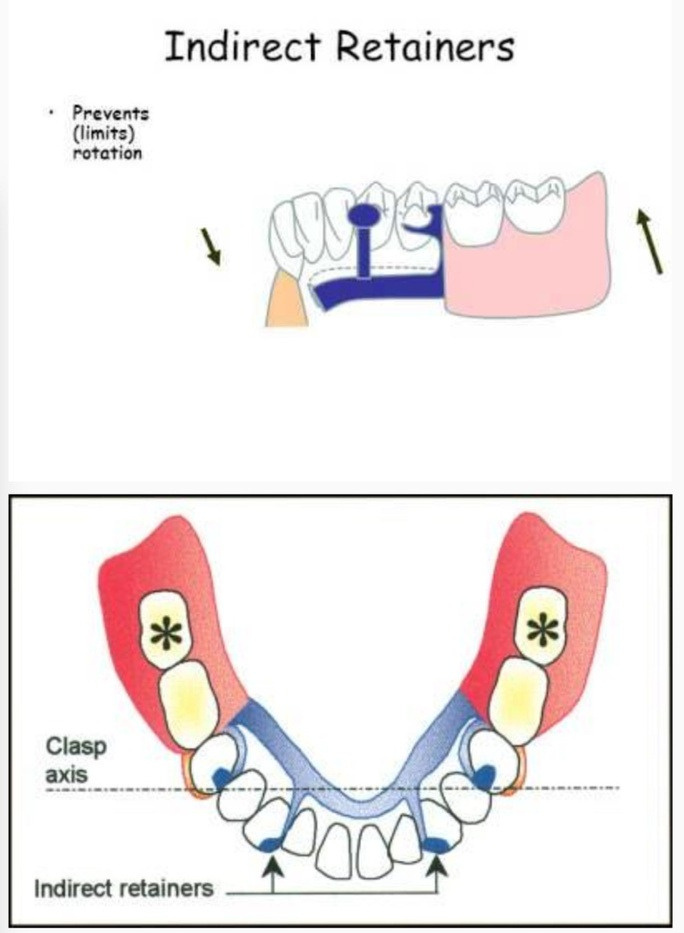
هذا دعم مركّب (composite support)، ويجب تصنيع الطقم بحيث يتناسق الدعم المرن الذي توفره الحافة الخالية من الأسنان مع الدعم الأكثر ثباتاً الذي توفره الأسنان الداعمة.
Unlock the rest of this lecture
10 more sections with translations and exam pearls, 6 exam-style MCQs, the full quiz and flashcard deck.
Deck complete
You knew on the first try.
All caught up for today
Cards you know come back later (1 → 3 → 7 → 14 days). Cards you miss come back today.
Night-before-the-exam summary
1 · Support
- Support = resistance to vertical masticatory force toward the basal seat.
- Every PD must be supported by oral structures and retained against dislodging forces.
- Cradock: dental · mucosal · mixed.
2 · Tooth vs. mucosa
- Tooth support → bounded saddle, via occlusal rests.
- Mucosa support → mucoperiosteum, displaceable.
- Displacement depends on: pressure · mucosa thickness · area · fit · impression. Wider area = less displacement.
3 · Tooth–mucosa
- Bilateral free-end saddle: posterior tissue + anterior tooth support.
- Class III PD needs rests · connectors · retainers.
- Tooth-borne RPD → anatomical impression only.
4 · Composite support
- Distal extension = support from teeth + ridge, not teeth alone.
- Coordinate the resilient ridge with the stable abutments.
🔒 More sections
- Lorem ipsum dolor sit amet consectetur adipiscing elit sed do eiusmod tempor.
- Ut enim ad minim veniam quis nostrud exercitation ullamco laboris.